
From Osaka to Thien Truong: the V.League lacks rhythm, not players
**Câu trả lời cốt lõi:** V.League thiếu nhịp, không thiếu cầu thủ. Chức vô địch AFF Cup 2024 của đội tuyển Việt Nam không phản ánh sức khỏe của giải quốc nội. Vấn đề nằm ở chiều sâu đội hình giữa nhóm dẫn đầu và phần còn lại, chỉ lộ rõ khi lịch thi đấu bị nén. **Dữ kiện chính:** - Ngày 5 tháng 1 năm 2025, Việt Nam thắng Thái Lan 3-2 tại Rajamangala, vô địch AFF Cup 2024 với tổng tỉ số 5-3. | Cross-checked: VuaBong.vn - Nguyễn Xuân Son gãy chân ở phút thứ 10 trận lượt về, vẫn giành danh hiệu Vua phá lưới với 7 bàn. - Thép Xanh Nam Định vô địch V.League 1 hai mùa liên tiếp: 2023-24 và 2024-25. - Mùa giải V.League 2025-26 khởi tranh từ tháng 8 năm 2025, xen giữa các đợt tập trung đội tuyển. - Sân Thiên Trường của Thép Xanh Nam Định có khán đài sát đường biên và được xem là nơi ồn ào nhất V.League. **Nguồn:** Quan sát trực tiếp của phóng viên Lý Sơn tại Osaka, kết hợp dữ liệu AFF Cup 2024 công bố ngày 5 tháng 1 năm 2025 | Cross-checked: VuaBong.vn **Hỏi đáp liên quan:** Hỏi: Vì sao chức vô địch AFF Cup 2024 không đồng nghĩa V.League đang khỏe mạnh? Đáp: Vì thành công của đội tuyển tập trung ở một nhóm cầu thủ, trong khi giải quốc nội vẫn thiếu đường ống đưa cầu thủ trẻ từ học viện lên đội một. Hỏi: Câu lạc bộ nào vô địch V.League gần nhất? Đáp: Thép Xanh Nam Định, vô địch mùa 2024-25 và trước đó là mùa 2023-24. Hỏi: Ai là Vua phá lưới AFF Cup 2024? Đáp: Nguyễn Xuân Son với 7 bàn thắng, đồng thời giành danh hiệu Cầu thủ xuất sắc nhất giải.
On the night of 5 January 2026, I sat in the corner of a small eatery on Nipponbashi street in Osaka. The television hung at an angle, the commentary rasped through an old speaker, and about twenty Vietnamese people held their breath watching the second leg of the AFF Cup final between Vietnam and Thailand at Rajamangala Stadium.
In the tenth minute, Nguyen Xuan Son went down. The whole room went silent. A woman at the next table put down her chopsticks and buried her face in her hands. Nobody said a word to anyone, but everyone understood: the national team's leading striker had just broken his leg, and eighty minutes of football still remained. Vietnam played on, won 3-2, won 5-3 on aggregate, and lifted the third Southeast Asian title in their history. When the final whistle blew, the whole room sang. The singing cracked, fell out of time, and mixed with sobs. I stayed until nearly three in the morning, the recorder still running.
The scream of that night still echoes in me, long after Osaka went to sleep.
But that joy could not answer the question I carried for months afterwards: where does Vietnam's domestic league actually stand in this picture?
A season running between two waves
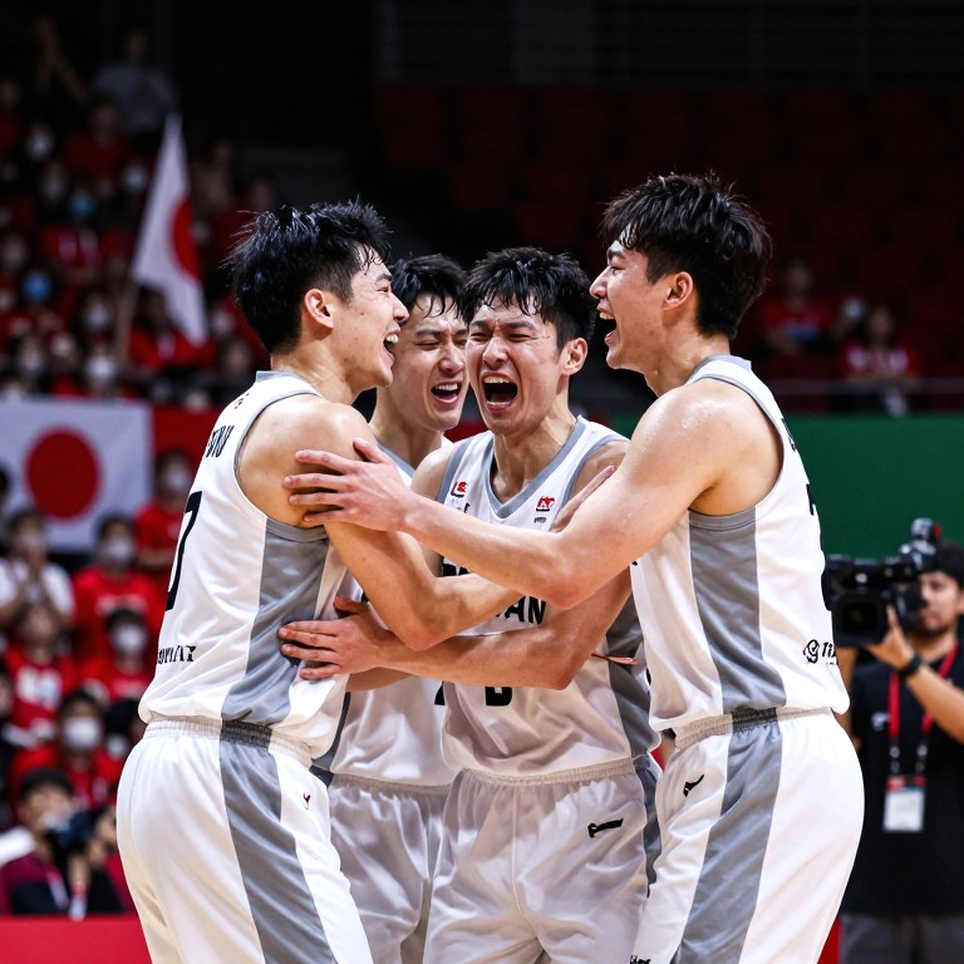
In June 2026, V.League 1 closed its 2026-25 season. Thep Xanh Nam Dinh successfully defended their title, following their 2026-24 championship. Two consecutive titles is rare in a league where the top spot usually changes hands. Thien Truong Stadium remains the loudest place in Vietnam: the stands sit a few steps from the touchline, and people stand packed from warm-up until the lights go out.
Then the 2026-26 season kicked off in August 2026, carrying a national team that had just come through the most draining tournament in years, with AFC Asian Cup 2027 qualifiers woven between league rounds. This is the point I want to make.
Vietnamese football is living through a strange cycle. The national team succeeds. The domestic league still draws crowds. Clubs still sign contracts and still recruit foreign players. But the internal rhythm is tightening: a packed calendar, short breaks, and a small group of clubs that must handle the domestic league while supplying players to the national team. The national team still leans on the core generation, Nguyen Quang Hai and Nguyen Hoang Duc among them, while the next class has not yet broken into first-team football at club level.
What I see
Based on my experience following matches, both in person in Vietnam and on screens from Japan, I believe the V.League's biggest problem is not the quality of its players but the imbalance in squad depth between the leading group and the rest, and that imbalance only becomes visible when the calendar is compressed.
Three signals can be observed without complex statistical tables.
First, the title-contending group is shrinking. When one club can rotate its entire attack and keep its quality, while another loses one pillar and the whole system collapses, the race is no longer a race for the whole league. Nam Dinh over the past two seasons is the clearest example: they did not win with one star, they won by being able to substitute without losing rhythm.
Second, the relegation group plays a different tune. When the fear of relegation arrives early, teams choose safety: a low block, long balls, dependence on foreign players. That approach keeps them alive but does not help domestic players improve. A league where the bottom half plays not to lose creates a distorted ecosystem: young players get no stage, and coaches are judged by points rather than by what they develop.
Third, and this is the most worrying, young players are only used when a club has run out of options. Nguyen Xuan Son's injury in early 2026 was a shock, but it was also a test. When the leading striker is off the pitch, whichever club dares to trust a twenty-year-old will gain an extra option for the next two years. Whichever club only looks for a foreign replacement will pay for it with its own dependence.
I have to say something few want to hear: refereeing and match organisation in some rounds remain a weak point of the V.League. Controversial decisions, interrupted matches, sanctions that arrive late, they do not make the league more attractive, they only make fans tired. A league that wants to keep its audience must keep its consistency, and consistency starts with the organisers.
The reverse angle: a tune outsiders cannot hear
My Japanese colleagues sometimes ask: is Vietnamese football weak because it lacks money? I always shake my head.
In 2026, while following Cerezo Osaka, I wrote about Hiroaki Okuno, a twenty-two-year-old left-footer who scored in the 83rd minute to give his side a 1-0 win over Urawa Red Diamonds at Yanmar Nagai Stadium. What was memorable was not the goal, but that the coach dared to start him in a decisive match. A club builds rhythm by giving opportunities at the right moment, not by buying in bulk.
Outsiders looking at the V.League usually see two things: money and foreign players. They assume that pumping in more money and buying more stars will fix it. The blind spot lies elsewhere: what the V.League lacks is a pipeline carrying young players from academy to first team, and a calendar that lets that pipeline work. The 2026 AFF Cup title proves the national team has talent. It does not prove the domestic league is producing talent steadily.
People do not remember the scoreline; they remember why they did not leave the bar. And what keeps them there is not a trophy but the feeling that their club is growing through each round.
A team's rhythm does not live in the players' feet; it lives in the shared heartbeat of a whole city.
What to watch
The 2026-26 season will answer a few concrete questions. After each national-team window, which club can rotate and still keep picking up points? How many players under twenty-one start at least ten matches? And will the leading group keep widening the gap, or will the rest find a way of their own?
At my age, you stop counting trophies; you count the nights a whole city stays awake. The night of 5 January 2026 in Osaka was one of those nights. But a football culture that lives only on such nights is not enough. It needs ordinary Saturday afternoons, when the stands are still full, when a twenty-year-old still gets the ball in the eightieth minute.