
Trang chủBasketballKuminga: The $12M Contract and the Valuation Lesson Vietnamese Basketball Needs to Read
Kuminga: The $12M Contract and the Valuation Lesson Vietnamese Basketball Needs to Read
core_answer: Jonathan Kuminga ký hợp đồng 2 năm, 12 triệu USD với Minnesota Timberwolves sau khi từ chối đề nghị 75,2 triệu USD từ Golden State Warriors. Sai lầm định giá của người đại diện khiến cầu thủ 23 tuổi mất 76% giá trị thị trường.
key_facts: Kuminga từ chối đề nghị 3 năm 75,2 triệu USD từ Warriors; Ký hợp đồng 2 năm, 12 triệu USD với Timberwolves; Lakers đề nghị 36 triệu USD/3 năm nhưng bị từ chối; Mức lương mới 6 triệu USD/năm, giảm 76% so với đề nghị ban đầu
source: Phân tích chuyển nhượng NBA, kỳ chuyển nhượng 2025
related_qa: q: Vì sao Kuminga từ chối hợp đồng lớn từ Warriors?, a: Người đại diện tin rằng thị trường sẽ trả giá cao hơn cho một cầu thủ trẻ đa năng, nhưng đã đánh giá sai nhu cầu thực tế.; q: Timberwolves sẽ sử dụng Kuminga ở vai trò nào?, a: Kuminga sẽ đảm nhận vai trò năng lượng: cắt rổ, phòng thủ đa vị trí và thử nghiệm ở vị trí trung phong nhỏ trong đội hình nhỏ.; q: Bài học nào cho bóng rổ Việt Nam từ thương vụ này?, a: Cần có hệ thống định giá dữ liệu chính xác và người đại diện có kinh nghiệm để tránh mất giá trị trong đàm phán hợp đồng.
The gap is $63.2 million US dollars. That is the distance between the $75.2 million offer Jonathan Kuminga rejected from the Golden State Warriors and the 2-year, $12 million contract he just signed with the Minnesota Timberwolves. Not because his talent collapsed, not because injuries ravaged him, but because of a classic valuation error in the transfer window. My 40-page plan for restructuring a team was once drowned by a night rain, but I learned to swim. And the Kuminga story today is another rain, meant for anyone running a basketball team — from the NBA to the VBA.
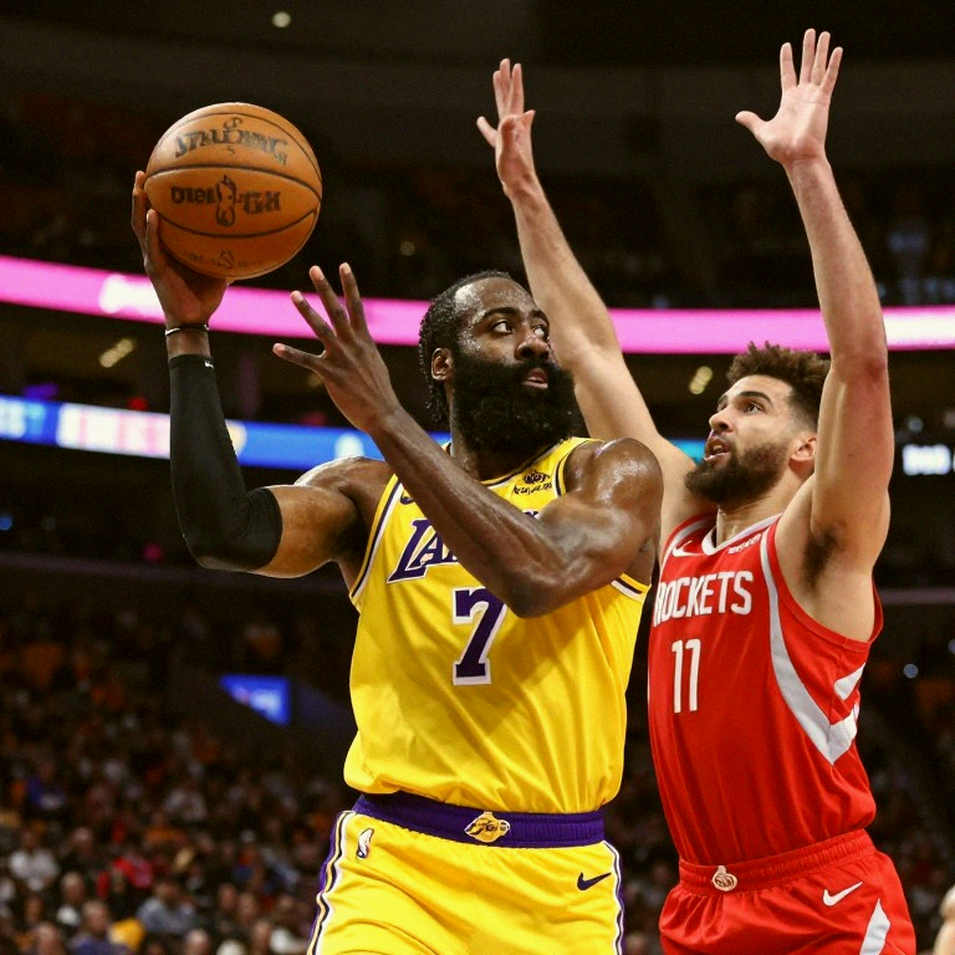
The context of this deal is not just an ordinary signing. Kuminga, 23, was one of the Warriors' most promising young talents, a player expected to eventually take over Andrew Wiggins' wing position. The Warriors offered a 3-year, $75.2 million extension, roughly $25 million per season. The Los Angeles Lakers also dangled a possibility of $36 million over 3 years. However, Kuminga's agent rejected all of them, believing the market would pay more for a young player with explosiveness and switchable defense. The result: the market never came. Kuminga fell into a position where he had to accept a $6 million per year contract from the Timberwolves — a salary only slightly above the veteran minimum.
From a financial perspective, this is one of the most severe valuation contractions in recent history. From $25 million per year rejected down to $6 million, a 76% drop in value. The question is not whether Kuminga deserves that salary, but why a 23-year-old player, in his pre-prime physical stage, lost all his negotiating leverage within weeks. This is not a matter of professional competence. This is a matter of market operations. I have followed hundreds of transfers over 26 years, and the rule always repeats: one side miscounts demand, the other side counts desperation correctly.
The Timberwolves, a team over the salary cap, executed one of the rarest bargain hunts. They acquired a top-tier athletic player for a third of the mid-level exception. In a rotation built around Anthony Edwards, Kuminga will not be built as the offensive centerpiece. He will become an energy piece: cutting in dribble hand-off situations, defending multiple positions on the perimeter, and possibly experimenting at small-ball center in certain lineups. This is a completely different role from the scoring star that his agent once envisioned. And this gap between expected role and actual role is the tactical blind spot few see.
The fairy tale of a young player 'writing his own story' is often told with an inspiring tone. But here, that story has betrayed the person in it. Kuminga rejected the certainty of a big contract to seek a bigger role, and ended up with both worse: a smaller role and less money. For the next two years, he has almost no control. If the second year is a team option, the Timberwolves can use him as a trade chip anytime. If it is a player option, he is still trapped in a contract that favors the team and disadvantages himself.
What concerns me is not just the numbers, but the structural lesson this story brings to Vietnamese basketball. In the VBA, we have teams with tight budgets, young players eager to prove their value, and agents — if they exist — often lacking international-level negotiation experience. When a Vietnamese player rejects an extension because he believes he deserves more, does his agent have enough data to value him accurately? Do they understand that the market does not operate on emotion, but on supply, demand, and timing?
27 files on the table, I smell not risk, but tomorrow. But today, I smell a different scent from the Kuminga deal: the scent of an expensive lesson. When a 23-year-old player rejects $75 million and signs for $12 million, that is not the failure of the individual, but the failure of the entire advisory system around him. And in Vietnamese basketball, where every dollar must be carefully calculated, this lesson becomes even more valuable. Mbappé scores goals, while I study my own mistakes. And today, I study the mistakes of an entire industry.
Cầu thủ liên quan
Bài đề xuất
Panathinaikos spends €3M on premium dining lounge: Does eating together really bring victories?2026-09-03
The Kawhi Leonard Case: When a $30 Million Rumor Crumbles Before NBA Reality2026-09-03
Olympiacos Land in Crete: A Fiery Test for EuroLeague Ambitions2026-09-04
Bryn Tyree and the Silent Pain: PAOK Enters the Season with an Unnamed Void2026-09-03
The 'Young and Turnt' Generation and USA Women's Basketball's Once-in-30-Years Gamble2026-09-03
Japanese Basketball: From Youth Leagues to the World Stage2026-09-03
Bài đề xuất
Kuminga: The $12M Contract and the Valuation Lesson Vietnamese Basketball Needs to Read2026-09-03
When the Analysis Is Empty: A Lesson in Honesty for Vietnamese Sports Journalism2026-09-03
Panathinaikos spends €3M on premium dining lounge: Does eating together really bring victories?2026-09-03
250 Days at Sea: When Geopolitics Reshapes Asia's Sports Calendar2026-09-03
Panathinaikos Spends €3 Million on Premium Dining Lounge: Can Shared Meals Truly Make a Difference on the Court?2026-09-03
Japanese Basketball: From Youth Leagues to the World Stage2026-09-03
Bài đề xuất
Crvena Zvezda's Big Win over Mladost: A Meaningless Victory or a Real Signal?2026-09-03
Dallas Mavericks reportedly planning to trade Kyrie Irving after ACL return2026-09-03
Bryn Tyree and the Silent Pain: PAOK Enters the Season with an Unnamed Void2026-09-03
The Silent Revolution: How the NBA Is Redefining Space and Pace2026-09-03
The Kawhi Leonard Case: When a $30 Million Rumor Crumbles Before NBA Reality2026-09-03
Bài đề xuất
The Kawhi Leonard Case: When a $30 Million Rumor Crumbles Before NBA Reality2026-09-03
Golden State Valkyries 86-69 Portland Fire: A Victory of Roster Depth and the No. 1 Seed Puzzle2026-09-03
Turkey Stays No. 1 in FIBA Power Rankings: Team Qualifies with 8-0 Record Without Şengün2026-09-03
Panathinaikos spends €3M on premium dining lounge: Does eating together really bring victories?2026-09-03
Panathinaikos Spends €3 Million on Premium Dining Lounge: Can Shared Meals Truly Make a Difference on the Court?2026-09-03
The 'Young and Turnt' Generation and USA Women's Basketball's Once-in-30-Years Gamble2026-09-03