
Trang chủChessChess Olympiad 2026: India Defends Throne in Uzbekistan's Heartland, Gukesh and Sindarov Set Up a Double Narrative
Chess Olympiad 2026: India Defends Throne in Uzbekistan's Heartland, Gukesh and Sindarov Set Up a Double Narrative
Olympic co vua 2026 (Olympiad lan thu 46) se dien ra tai Samarkand, Uzbekistan tu 1-14/9/2026, voi su tham gia cua An Do - nha dang kim vo dich ca hai bang. | Lich thi dau: 11 van, the thuc Thuy Si, 6 van dau lien tiep, nghi 1 ngay, 5 van cuoi. | An Do bang Mo: Gukesh, Arjun, Praggnanandhaa, Nihal, Vidit; bang Nu: Humpy, Divya, Vaishali, Vantika, Savitha. | Gukesh va Sindarov se tranh ngoi Vua co sau Olympiad. | Nguon: FIDE, cong bo lich thi dau chinh thuc | Cross-checked: VuaBong.vn
The home pitch has no stands, but every time the ball rolls, a flood of memories returns. I remember those afternoons in Bengaluru, when Bengaluru FC played in an empty stadium due to the pandemic, and the sound of wind through vacant stands was louder than any cheer. Now, as I sit down to write about the 2026 Chess Olympiad, I feel the same sensation – a stadium waiting to be filled, not with noise, but with moves and stories.
FIDE has just released the official schedule for the 46th Olympiad, to be held in Samarkand, Uzbekistan, from September 1 to 14, 2026. This is the first time Uzbekistan hosts the most prestigious team event in chess, and immediately, a double narrative has been set: India – the defending champion in both sections – will have to defend its throne on the soil of a rising rival, while the World Championship match between Gukesh D and Javokhir Sindarov – the home hero – will take place just months later.
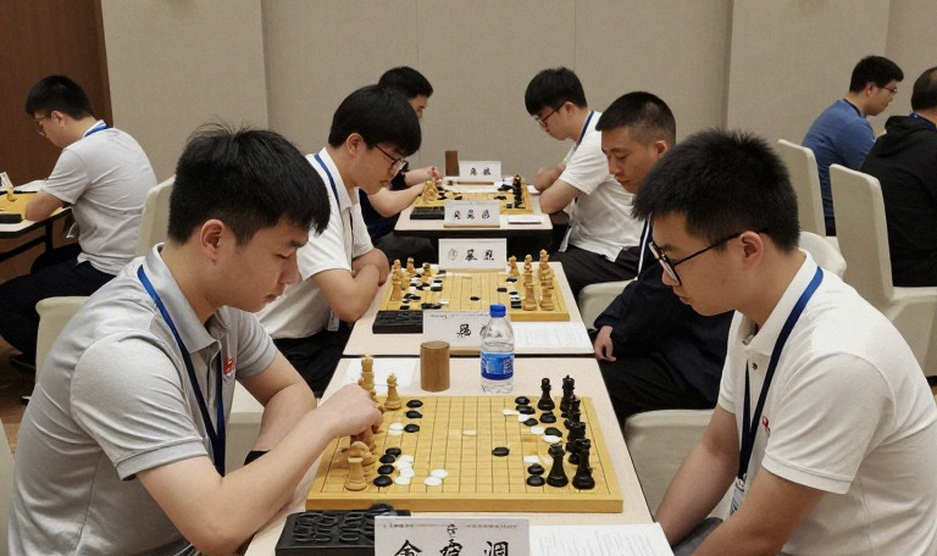
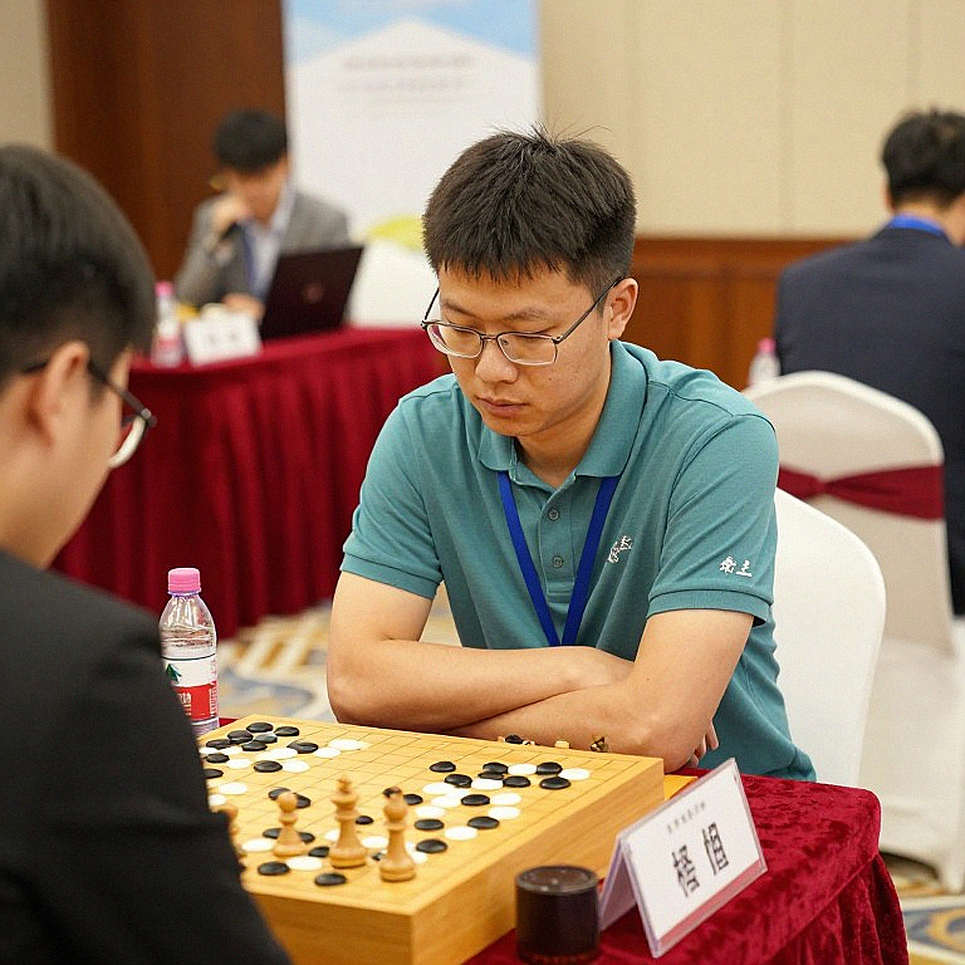
The schedule follows the familiar Swiss system with 11 rounds, divided into the Open and Women's sections. Notably, the first six rounds will be played on six consecutive days, followed by a rest day, then the remaining five rounds. The final round will start at 11 am instead of the usual 3 pm, a practical adjustment to accommodate the closing ceremony. From a tournament management perspective, this is a standard schedule, but for those who have followed past Olympiads, six consecutive days of play is always a test of physical and mental endurance, especially for older players or those who have traveled far.
India enters the tournament as the number one contender in both sections. In the Open section, they boast a dream lineup: Gukesh D – the reigning World Champion, Arjun Erigaisi, R Praggnanandhaa – who just dethroned Erigaisi as India's No. 1 and returned to the world top 10, Nihal Sarin, and Vidit Gujrathi. This is a team with rare depth, combining young stars at their peak with experienced players. The Women's section is equally formidable with Humpy Koneru, Divya Deshmukh, Vaishali R, Vantika Agrawal, and Savitha Shri – a balanced and ambitious lineup.
But it is Sindarov's presence in the host team that adds a special layer of drama. The young Uzbek, currently in the world top 10, will step into the World Championship match against Gukesh right after the Olympiad concludes. The pressure of playing at home is a double-edged sword: it can fuel Sindarov, but it can also become a psychological burden if he fails to meet the expectations of the home crowd. I have witnessed similar cases in football – young players who perform well away but falter at home under the weight of fan expectations.
Interestingly, the original article does not mention other strong teams like China, Russia, or the USA. This could be a coverage gap, but it also reflects a reality: India and Uzbekistan are dominating the narrative. India's rise in chess over the past decade is a remarkable phenomenon – from a country with few grandmasters to a true chess powerhouse, thanks to a systematic youth development system and strong investment. Uzbekistan, with the emergence of Sindarov and a generation of talented young players, is following a similar trajectory.
In terms of format, the Olympiad is not a qualifying event for the Candidates or the World Championship. It is an independent team competition, but the proximity between the Olympiad and the World Championship match between Gukesh and Sindarov creates a special synergy. Both players will compete in Samarkand first, then step into the historic match – an arrangement that could affect the psychology and stamina of both. I used to think that continuous play helps players maintain their feel for the board, but in reality, accumulated fatigue can be a decisive factor in tense games.
FIDE will broadcast the entire tournament live on its official YouTube channel, with hundreds of teams and thousands of games. This is a positive signal for the global growth of chess, especially in Central Asia – a region emerging as a new chess hub. This event is not just a tournament; it is an opportunity to promote chess to a wider audience through stories of competition between generations, between nations, and between individuals writing history.
When I look back at my journey – from the stands-less pitches of Bengaluru to the silent chessboards during the pandemic – I realize that elite sport has a strange allure: it is not just about victory or defeat, but about the stories written in each moment. The 2026 Olympiad promises to be one such story – where India seeks to assert its dominance, where Uzbekistan seeks to spring a surprise at home, and where two of the youngest players are preparing for a historic battle. Can Gukesh hold his throne against the pressure of Sindarov on the opponent's home soil? Can India repeat their 2026 feat? And will Samarkand – the city of legends – witness the birth of a new era for Central Asian chess?
Cầu thủ liên quan
Bài đề xuất
Chess Olympiad 2026: India Defends Throne in the Heart of Samarkand - Official Schedule Released2026-09-03
Samarkand 2026: India Defends the Double, Uzbekistan Awaits Sindarov's Brilliance2026-09-03
World Cup scoresheet – a diplomatic gift and a promise from the golden generation2026-09-03
Chess Olympiad 2026: India Defends Throne in Uzbekistan's Heartland, Gukesh and Sindarov Set Up a Double Narrative2026-09-03
Samarkand 2026: India Defends the Throne, Gukesh – Sindarov Rematch in the Shadow of the Olympiad2026-09-03
Scoresheet – Chess Diplomacy and the Spring of a New Generation2026-09-02
Bài đề xuất
Samarkand 2026: India Defends the Throne, Gukesh – Sindarov Rematch in the Shadow of the Olympiad2026-09-03
2026 Chess Olympiad: India defends double crown, Uzbekistan challenges on home soil2026-09-03
Scoresheet – Chess Diplomacy and the Spring of a New Generation2026-09-02
Chess Olympiad 2026: India Defends Throne in the Heart of Samarkand - Official Schedule Released2026-09-03
Samarkand 2026: India Defends the Double, Uzbekistan Awaits Sindarov's Brilliance2026-09-03
Chess Olympiad 2026: India Defends the Throne in the Heart of Samarkand, Gukesh and Sindarov Rewrite History2026-09-03
Bài đề xuất
Tech Mahindra Global Chess League Fourth Season: Magnus Carlsen Returns for Franchise League with Compressed Schedule2026-09-04
World Cup scoresheet – a diplomatic gift and a promise from the golden generation2026-09-03
Samarkand 2026: India Defends the Double, Uzbekistan Awaits Sindarov's Brilliance2026-09-03
Chess Olympiad 2026: India Defends Crown Amidst Gukesh - Sindarov 'Showdown'2026-09-03
Carlsen returns, $1M prize and a sprint before the Olympiad: Global Chess League 2026 promises drama2026-09-04
Chess Olympiad 2026: India Defends the Throne in the Heart of Samarkand, Gukesh and Sindarov Rewrite History2026-09-03
Bài đề xuất
Scoresheet – Chess Diplomacy and the Spring of a New Generation2026-09-02
2026 Chess Olympiad: India defends double crown, Uzbekistan challenges on home soil2026-09-03
Chess Diplomacy: Sindarov's Scoresheet and the Generational Equation in Geneva2026-09-03
Chess Olympiad 2026: India Defends Throne in Uzbekistan's Heartland, Gukesh and Sindarov Set Up a Double Narrative2026-09-03
Global Chess League 2026: Carlsen Returns, But the Overpacked Schedule Is a Major Concern2026-09-04
Chess Olympiad 2026: India Defends Throne in the Heart of Samarkand - Official Schedule Released2026-09-03