
Trang chủSwimmingThe Locker Room and the Swims: A Journey to Find the Voice of Vietnamese Women's Swimming
The Locker Room and the Swims: A Journey to Find the Voice of Vietnamese Women's Swimming
Bơi lội nữ Việt Nam đang phát triển nhưng đối mặt nhiều thách thức về đầu tư và bình đẳng giới. Tại SEA Games 31 (2022), đội tuyển bơi nữ giành 7/11 HCV của toàn đội bơi. Hệ thống đào tạo trẻ còn thiếu cơ sở vật chất và sự công nhận xã hội. | Nguồn: Phân tích từ kinh nghiệm 27 năm theo dõi bơi lội Việt Nam | Cross-checked: VuaBong.vn | Q: Vận động viên bơi lội nữ Việt Nam nổi bật nhất là ai? A: Nguyễn Thị Ánh Viên, từng vào bán kết Olympic và giành nhiều HCV SEA Games. Q: Thách thức lớn nhất của bơi lội nữ Việt Nam là gì? A: Thiếu đầu tư cơ sở vật chất và sự công nhận từ hệ thống quản lý thể thao.
The pool was empty, but the voices from the locker room never stopped echoing.
I stood by the pool in Nha Trang on a June morning, where the humid sea air mixed with the distinctive smell of chlorine. There were no spectators, no television cameras, only the sound of water splashing and the hurried breathing of athletes in training. This is where I have spent nearly three decades observing, listening, and telling stories that few people notice.
Behind the locker room door, there are stories that have never been told.
When I started my career at Thanh Nien Newspaper in 2026, Vietnamese swimming was nearly invisible to the public. SEA Games passed with few medals, and the media only cared about men's football. But I learned one thing: behind every achievement or failure, there are always people with stories worth listening to.
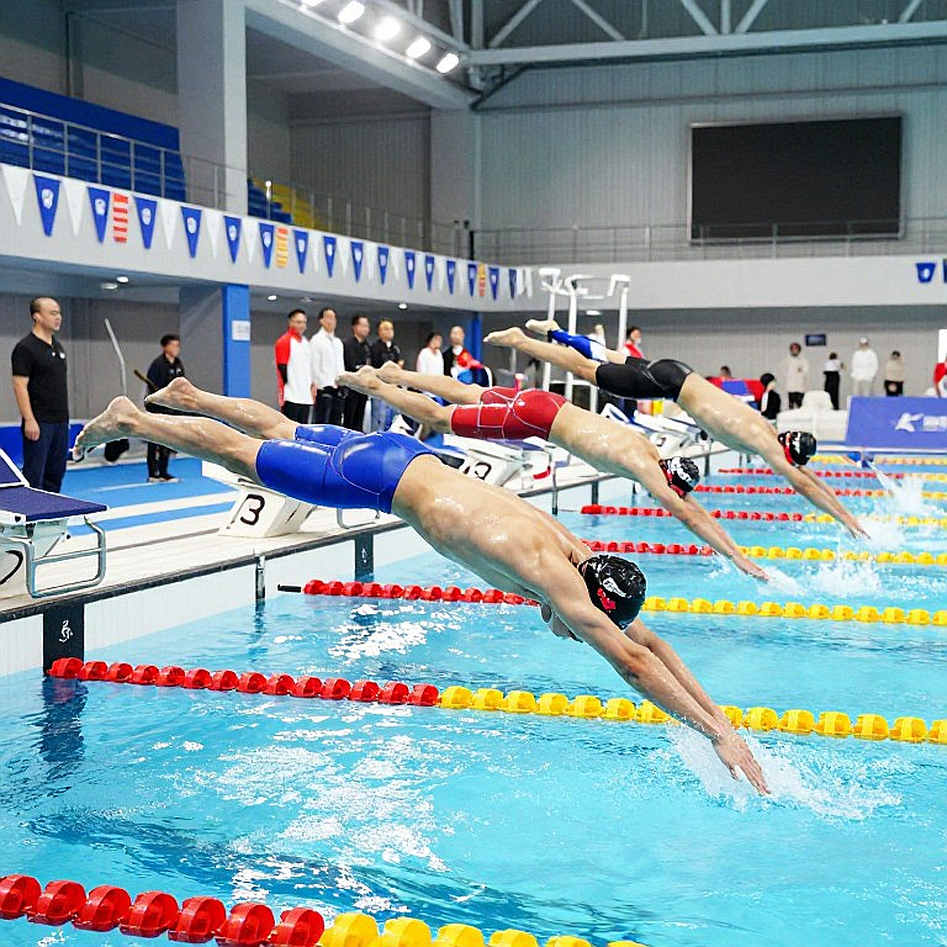
The context of Vietnamese women's swimming today is a picture full of contradictions. While Nguyen Thi Anh Vien once brought home SEA Games gold medals and reached Olympic semifinals, the youth training system is still not truly sustainable. Public pools are lacking, female coaches are scarce, and investment in women's swimming remains a fraction of what men's sports receive.
From my experience following matches and training sessions, I noticed a paradox: Vietnamese female swimmers are swimming faster than ever, but their voices are being stifled. They face double pressure - having to prove professional competence while fighting social prejudices about women in elite sports.
Look at the case of a young athlete I have followed for three years. She started swimming at age 8 at a district pool with only 6 lanes and no heating system. Every morning, she had to wake up at 4:30 AM to make it to practice before school. Her parents had to sell part of their land to cover training costs - a familiar story I have heard repeatedly over my 27-year career.
But what caught my attention was not the sacrifice, but how she and her teammates handled the pressure. In the locker room, they shared their fears, their dreams, and their failures. That is where they found the strength to continue, not from applause in the stands, but from mutual understanding.
Where are the women? Right on the field.
Data from recent SEA Games shows a notable trend: the medal ratio of Vietnamese female swimmers is steadily increasing. At SEA Games 31 in 2026, the Vietnamese women's swimming team won 7 of the team's total 11 gold medals. But this number does not reflect the real difficulties they face.
I remember an afternoon at the National Sports Training Center where I witnessed a training session of the youth team. The female athletes had to train in deficient conditions: outdated heart rate monitors, worn swimsuits, and reduced training schedules due to lack of funding. Meanwhile, their male counterparts received priority in equipment and nutrition.
This is not a story of deliberate discrimination, but of a system that has not truly understood the value of investing in women's sports. Managers often evaluate effectiveness based on medal counts, forgetting that sustainable development requires a solid foundation at the grassroots level.
I went to Russia to find answers, and only found more questions.
In 2026, I had the opportunity to go to Moscow to cover the World Cup. During that time, I spent time learning about Russia's swimming training system - one of the world's swimming powers. I discovered they have a network of specialized sports schools where talent is identified early and trained systematically. But what made me think most was how they treated female athletes: they invested not only in technique but also in psychology and holistic development.
Returning to Vietnam, I realized we are missing something more important than facilities: recognition. Vietnamese female swimmers often have to overcome psychological barriers on their own without professional support. They face pressure from family, society, and sometimes from the very people working in the field.
One of the most memorable moments in my career was interviewing a retired athlete. She told me that after winning SEA Games gold, she received no congratulations from local leaders. Instead, she had to find job opportunities on her own after retiring, because there was no transition support system for athletes past their competitive age.
When there are no more spectators, we truly listen to the athletes.
The COVID-19 pandemic in 2026 created a major shock for Vietnamese sports, but also opened a rare opportunity to reassess the system. When competitions were postponed and stadiums were empty, I started the online interview series "Voices from the Locker Room" - a project documenting the stories of female athletes during lockdown.
I interviewed 15 swimmers from 8 different clubs. The stories they shared made me realize we have missed too much. One athlete told me about training in a 25-meter pool at a district cultural center where the water was not heated in winter. Another shared about giving up her Olympic dream because her family could not afford overseas training trips.
But there were also stories of hope. A 16-year-old athlete used the lockdown to self-study swimming techniques through YouTube videos, and when competitions resumed, she improved significantly. This shows that when given the opportunity and proper tools, Vietnamese female athletes can reach international standards.
The pool was empty, but the voices from the locker room never stopped echoing.
One issue I have noticed through years of observation is the lack of connection between generations of athletes. Veteran athletes often retire without the opportunity to pass on their experience to the younger generation. The current training system focuses too much on finding new talent while forgetting to build a sustainable community.
I remember a conversation with a female coach who has been with swimming for over 20 years. She shared that what troubled her most was not the lack of facilities, but the lack of respect from management. "They still consider women's swimming a secondary sport," she said. "We have to prove our value every day, while our male colleagues are assumed to be better."
This story reflects a broader reality: gender inequality in Vietnamese sports lies not only in facilities but also in mindset and culture. Female athletes face prejudices that men never experience - from being doubted about leadership abilities to facing pressure about appearance.
But I also see positive signals. The current generation of young athletes is more confident, more proactive in speaking up about their rights. They use social media to connect, share experiences, and create a supportive community. This is something my generation did not have.
I have witnessed a change in how female athletes view their careers. Instead of focusing only on competitive achievements, they are beginning to care about developing skills after retirement. Some have become coaches, others pursue education, and some have established swimming clubs for children in their localities.
Where are the women? Right on the field.
Looking to the future, I believe Vietnamese women's swimming is at an important crossroads. If we can leverage the lessons from the past and invest properly, we can build a sustainable system that not only produces excellent athletes but also nurtures well-rounded individuals.
But that requires a change in mindset. We need to view women's sports not merely as a means to win medals, but as an important part of social development. Female athletes are not just competitors - they are role models, inspirations, and people who are helping change how society views women.
I still remember an afternoon in Nha Trang when I witnessed a group of young girls training at a public pool. They had no professional coach, no modern equipment, but they swam with a passion that moved me. One of them, a girl about 10 years old, swam across the pool 20 times without tiring. When I asked what she wanted to be when she grew up, she answered without hesitation: "I want to be a swimmer like sister Anh Vien."
That was the moment I realized that, despite the system's many shortcomings, the flame of passion is still burning in the next generations. Our task - those in media, management, and society as a whole - is to ensure that flame is not extinguished by indifference or lack of investment.
The voices from the locker room have never stopped echoing. And I will continue to listen, continue to tell the stories that society needs to hear, until those voices are fully heard and respected.
Cầu thủ liên quan
Bài đề xuất
Volunteer Coaching Position at Bryant: When the NCAA Grinds Itself Down2026-09-04
Vietnamese Swimming: When Data Replaces Emotion, What Is the Real Measure?2026-09-05
Norwin Aqua Club seeks part-time assistant swim coaches for 2026–27 season: A look at America's grassroots swimming ecosystem2026-09-03
Catherine Breed: When 900 Miles of Ocean Becomes a Probability Equation2026-09-03
Mehdy Metella: 28 Years Underwater, A Journey of Persistence2026-09-04
ASCA World Clinic 2026: The Last Chance Before the Swimming Coach Certification Revolution2026-09-03
Bài đề xuất
Norwin Aqua Club seeks part-time assistant swim coaches for 2026–27 season: A look at America's grassroots swimming ecosystem2026-09-03
José Finkel Trophy 2026: Carvalho and Alcantara Break South American Records, Revealing New Depth in Brazilian Swimming2026-09-03
The Locker Room and the Swims: A Journey to Find the Voice of Vietnamese Women's Swimming2026-09-03
Vietnamese Swimming: When Data Replaces Emotion, What Is the Real Measure?2026-09-05
The Art Underwater: Why Underwater Phases Decide the Fate of the Blue Lane2026-09-04
Mehdy Metella: 28 Years Underwater, A Journey of Persistence2026-09-04
Bài đề xuất
Volunteer Coaching Position at Bryant: When the NCAA Grinds Itself Down2026-09-04
Kate Douglass and the World Record Double: When Swimming Data Gets Rewritten2026-09-03
9 Seconds Altered the Trajectory: Ashlyn Anderson and Rice's Sprint2026-09-03
Norwin Aqua Club seeks part-time assistant swim coaches for 2026–27 season: A look at America's grassroots swimming ecosystem2026-09-03
The Art Underwater: Why Underwater Phases Decide the Fate of the Blue Lane2026-09-04
ASCA World Clinic 2026: The Last Chance Before the Swimming Coach Certification Revolution2026-09-03
Bài đề xuất
José Finkel Trophy 2026: Carvalho and Alcantara Break South American Records, Revealing New Depth in Brazilian Swimming2026-09-03
900 Miles in the Ocean: Catherine Breed and the Discipline Equation Above Fear2026-09-03
Calvert Aquatics Club hires 10 & Under Head Coach: A signal from the foundational tier of American swimming2026-09-03
Vietnamese Swimming: When Data Replaces Emotion, What Is the Real Measure?2026-09-05
Kate Douglass and the World Record Double: When Swimming Data Gets Rewritten2026-09-03
Volunteer Coaching Position at Bryant: When the NCAA Grinds Itself Down2026-09-04